
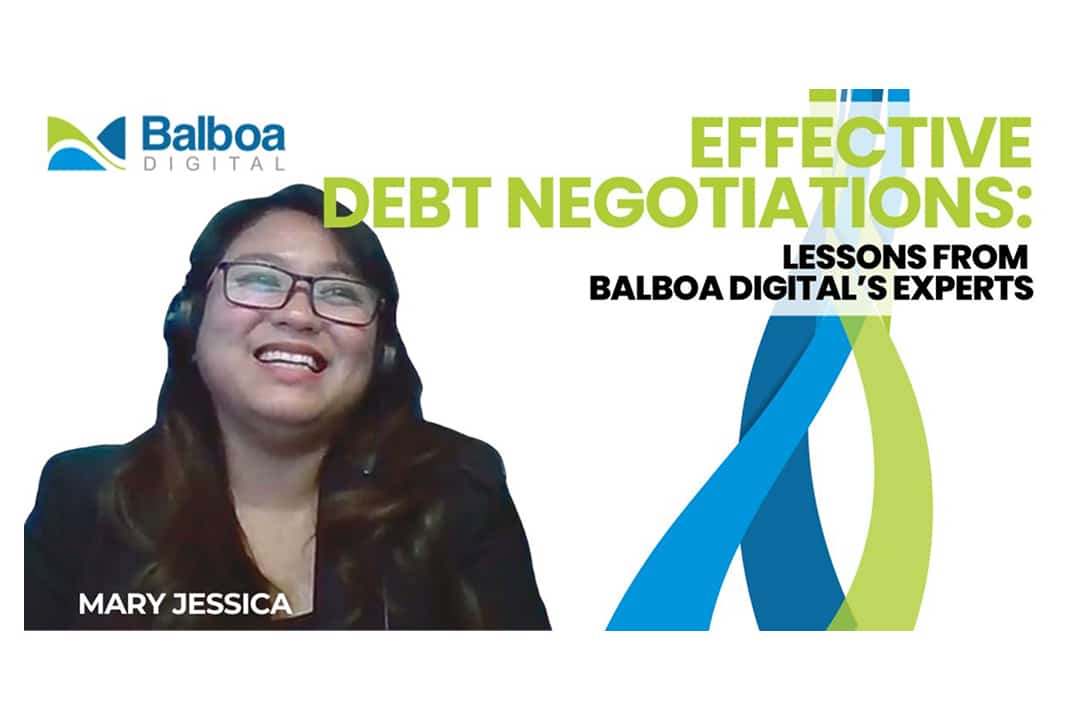
Debt resolution is a lifeline for many individuals grappling with financial challenges. At the heart of this process are skilled negotiators who work diligently to secure favorable terms for clients. We had the opportunity to speak with Mary Jessica Abuton, a seasoned debt resolution negotiator at Balboa Digital, to gain insights into her role and the importance of effective negotiation in debt resolution.
Building Rapport and Trust with Creditors
Jessica emphasizes the importance of building rapport and gaining the trust of creditors during negotiations. “We start with being professional, confident, and introducing ourselves properly. It’s crucial to make them feel that you know what you are doing,” she explains. Being polite, respectful, and expressing a willingness to work together are key to establishing a positive relationship with creditors.Listening attentively and demonstrating an understanding of the account’s history helps in finding common ground and building a collaborative tone. “I also try to find a common ground and build a collaborative tone with the creditors,” Jessica adds.
Overcoming Objections
One of the biggest challenges Jessica faced was negotiating with a law firm that initially refused to accept a settlement. “The creditor wanted the client to pay the full amount in a lump sum, which was impossible for the client,” she recalls. Jessica’s persistence paid off when she managed to negotiate a 24-month payment plan instead of a lump sum, demonstrating the importance of balancing the needs of both the client and the creditor.
The Debt Resolution Process
The debt resolution process involves several key steps, starting with the verification of the client’s accounts. Negotiators ensure they are discussing the correct account with the creditor by verifying details such as the last four digits of the account number, the client’s full name, date of birth, and sometimes even the client’s social security number or mother’s maiden name.
Once the account is verified, negotiators check if the creditor has a power of attorney on file. If not, they send it according to the creditor’s preference, either via email or fax. With the power of attorney in place, negotiators can begin discussing the settlement. They check the current balance, days delinquent, and whether the account is charged off. Based on this information, they make an offer and negotiate with the creditor until a deal is reached.
Jessica highlights the importance of obtaining a settlement letter: “Without the settlement letter, a settlement is not official. We need documentation before we proceed in settling the account.” Once the settlement letter is received, negotiators arrange for payments, which may require setting up the first payment before finalizing the settlement.
Types of Negotiations
Negotiations can vary depending on the creditor’s policies. Traditional negotiations are handled one account at a time, while unique creditors may require more attention to detail and effort. Some creditors need the client to provide verbal authorization, as they do not accept power of attorney. Bulk settlements involve multiple client accounts with a single creditor and may have pre-negotiated agreements or fixed settlement percentages.
Key Factors and Strategies in Successful Negotiations
Jessica identifies three critical factors for successful negotiations: client responsiveness, availability of funds, and the flexibility and turnaround times of creditors. “If the client doesn’t respond to you, even if you settle an account, it will just be considered nothing,” she notes. The willingness of clients to add funds and the efficiency of creditors in sending settlement letters also play significant roles in the process.
Jessica shares her strategies for effective negotiation, emphasizing the importance of preparation and organization. “I make sure that all the information or details that I need or the creditor might ask will already be in front of me. So I always come prepared,” she says. Keeping detailed notes of creditor policies and terms helps her navigate negotiations smoothly and efficiently.
The Role of Communication and Problem-Solving Skills
Effective communication and problem-solving skills are essential for successful negotiations. Jessica highlights the need to stay calm and make good judgments during challenging situations. “You need to judge what should be done and what should not be done during that problem,” she advises. Patience, adaptability, and confidence are also crucial traits for negotiators.
The Impact of Debt Resolution
Debt resolution can have a profound impact on clients’ financial well-being. According to recent statistics, there were more than 1.2 million debt accounts settled in the U.S. in 2022, with principal balances totaling $5.6 billion.
The market size of the U.S. debt relief services industry was $23.1 billion in 2023. These figures highlight the importance and scale of debt resolution services.

Balboa Digital’s Call Center Outsourcing Services
Balboa Digital specializes in providing professional call center services, including debt resolution. By outsourcing call center operations, debt resolution companies can benefit from cost efficiency, scalability, and access to expertise. Outsourced call centers can operate 24/7, providing clients with round-the-clock support and enhancing overall customer satisfaction
Commitment to Excellence
Balboa Digital’s negotiations team is committed to excellence, with agents who are reliable and dedicated to their work. “Being reliable and always being present means that we are committed in what we do,” Jessica notes. This commitment ensures that clients receive the best possible support in managing their debts.
Jessica’s experience and insights underscore the value of skilled negotiators in the debt resolution process. With Balboa Digital’s comprehensive call center outsourcing services, companies can focus on their core activities while ensuring clients receive the best possible support in managing their debts.


